

What does it really take to start up?
A clever idea? A strong team? Funding?
Sure—those help.
But above everything else, it takes belief.
Belief that the problem you’re solving actually matters.
Belief that your solution is something people truly want.
It’s incredible how many global giants began with nothing more than conviction and a simple idea. No fancy offices, no big teams—just grit, clarity, and persistence.
1. Fred Smith | Federal Express
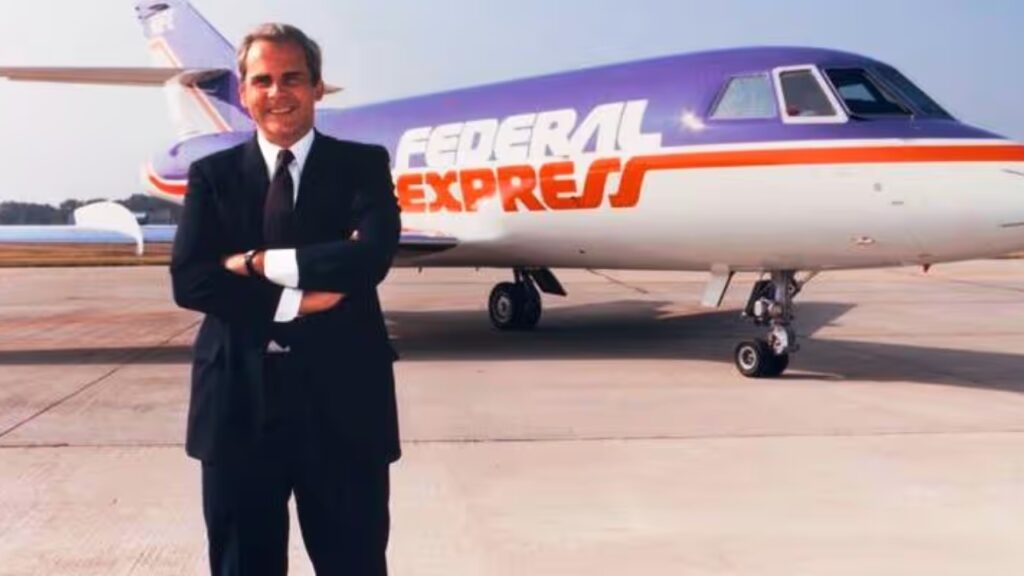
Fred Smith was an undergraduate at Yale in 1965 when he wrote an economics paper on how goods were transported across the U.S. He noticed something interesting—shippers relied on trucks or passenger airplanes, both inefficient for small, time-sensitive packages.
So he proposed a bold idea: a dedicated air-delivery system for small, essential items. He submitted the paper last minute… and got a “C.”
But the grade didn’t stop him. In 1971, Fred Smith turned that idea into a company—Federal Express.
Within three years, FedEx was collapsing. Rising fuel costs pushed losses to over $1 million a month. The company was down to its final $5,000. A last attempt to secure funding from General Dynamics failed.
Most people would have quit.
Fred Smith didn’t.
In one of the boldest founder moves ever, he flew to Las Vegas and played Blackjack with the company’s last $5,000.
By Monday, FedEx had $32,000—just enough fuel money to keep the planes flying for a few more days.
Those extra days changed everything. FedEx soon secured major funding and scaled rapidly.
Today, FedEx operates in more than 220 countries and earns over $45 billion annually—built on an idea that once earned a “C” and a gamble that saved the company.
2. Ferrucio Lamborghini | Lamborghini
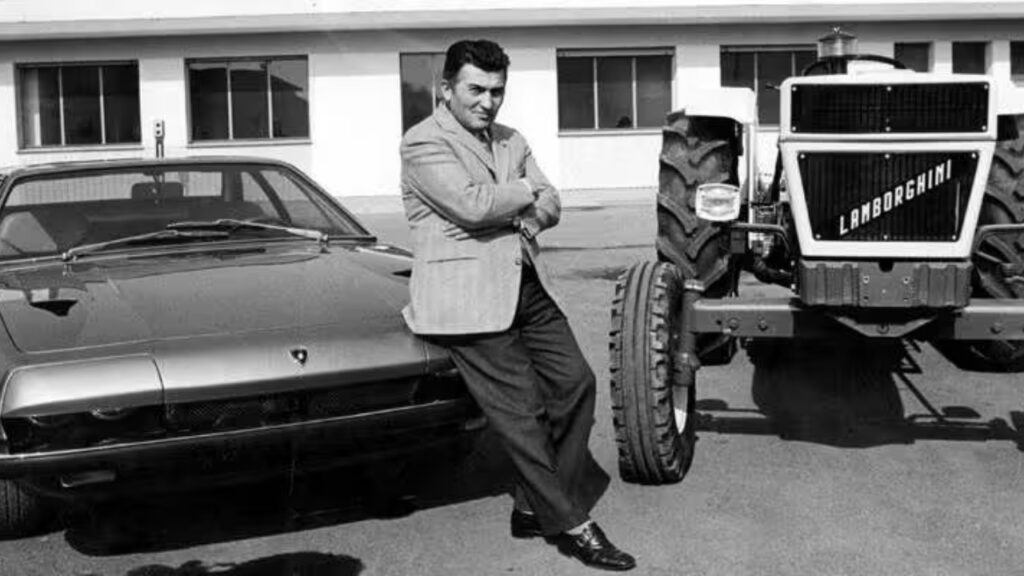
Ferruccio Lamborghini started out as a farmer who built tractors. His business grew rapidly, making him one of the wealthiest men in Italy. Like many wealthy Italians, he owned several luxury cars—including a Ferrari.
But there was a problem. His Ferrari constantly broke down.
Being a skilled mechanic, Ferruccio inspected the issue himself—and discovered something shocking: the car used the same clutch found in his tractors.
“All my Ferraris had clutch problems. If you drove normally, fine. But push it hard and the clutch would slip. It simply couldn’t handle the power.”
Every time he took the car for repairs, Ferrari’s service team refused to let him watch, and the issue never got fixed. Fed up, Ferruccio went directly to Enzo Ferrari to complain.
After waiting hours, he finally met him.
“Ferrari, your cars are rubbish!” he snapped.
Enzo Ferrari exploded with anger.
“Lamborghini, you can drive a tractor—but you will never be able to handle a Ferrari properly!”
That insult changed automotive history.
Ferruccio walked out, determined to build a better, more perfect car.
And that’s how Lamborghini was born.
3. Colonel Sanders | Kentucky Fried Chicken
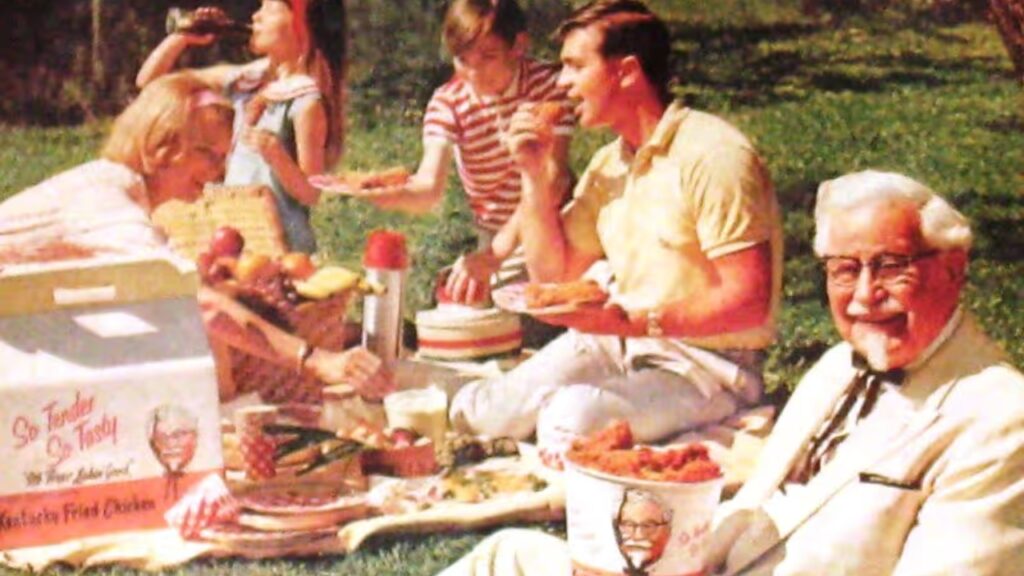
At 65, Colonel Harland Sanders received his first social security cheque—just $99. He was broke, living in a small house, driving an old battered car, and had only one thing people genuinely loved: his fried chicken recipe.
He decided it was time to change his life.
Sanders left Kentucky and began traveling across the U.S., going restaurant to restaurant. His pitch was simple:
he would give them his chicken recipe for free, and in return, he wanted only a small share of each dish sold.
Most people slammed the door in his face.
He didn’t stop.
He kept going.
He heard NO more than most people hear in a lifetime—1,009 rejections before his first YES.
That one “yes” changed everything.
Colonel Sanders went on to build Kentucky Fried Chicken (KFC)—a brand that transformed global fast food forever.
Persistence made him a legend.
4. Soichiro Honda | Honda Motor Co.
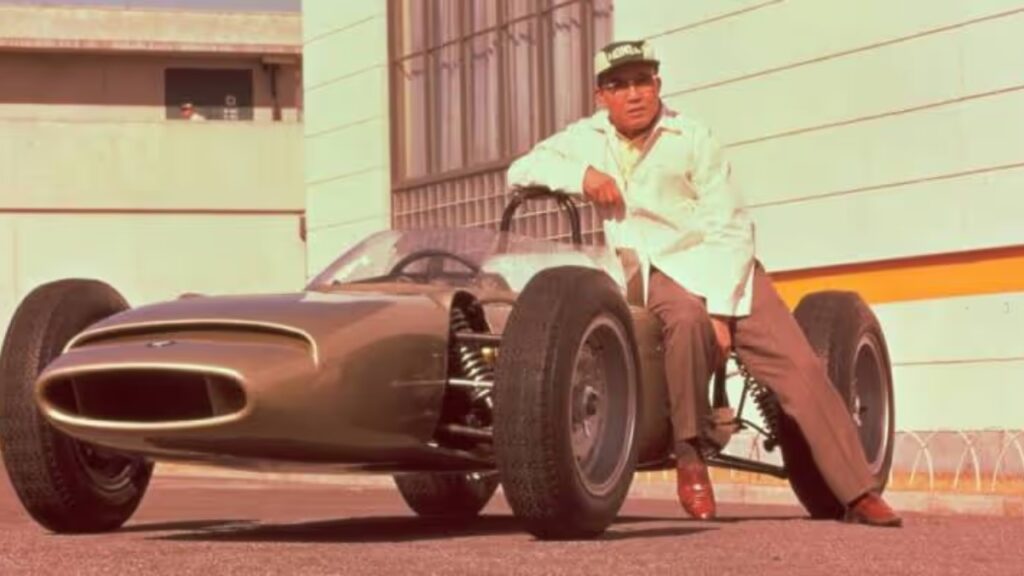
Soichiro Honda started as a simple mechanic in a small garage. His job was to tune cars for races—nothing glamorous, just skill and passion. In 1937, he founded Tōkai Seiki, a company that produced piston rings.
His big break came when Toyota awarded him a contract. But soon after, he lost it.
The quality wasn’t good enough.
Instead of quitting, Honda humbled himself. He spent time studying Toyota’s strict quality standards. By 1941, he mastered the process and was able to mass-produce piston rings that met Toyota’s expectations. Toyota even bought a 40% stake in his company.
But success didn’t last.
During World War II, U.S. bombings destroyed Tōkai Seiki’s factories. Honda gathered whatever scrap he could and sold the remains to Toyota. With the little money he earned, he started fresh—founding the Honda Technical Research Institute in 1946.
It began in a tiny 172-square-foot shack with just 12 workers. They built makeshift motorized bicycles using improvised engines. Those early creations quickly became popular, and in just a few years, Honda Motor Company was born.
By 1964, Honda had become the largest motorcycle manufacturer in the world.
Then came mini trucks… then cars… and eventually Honda became one of Toyota’s strongest global competitors.
It’s easy to look at giants like these and think:
“I could never do this.”
But every one of them started small, failed often, and kept going.
What they really had was belief—and the courage to take the first step.